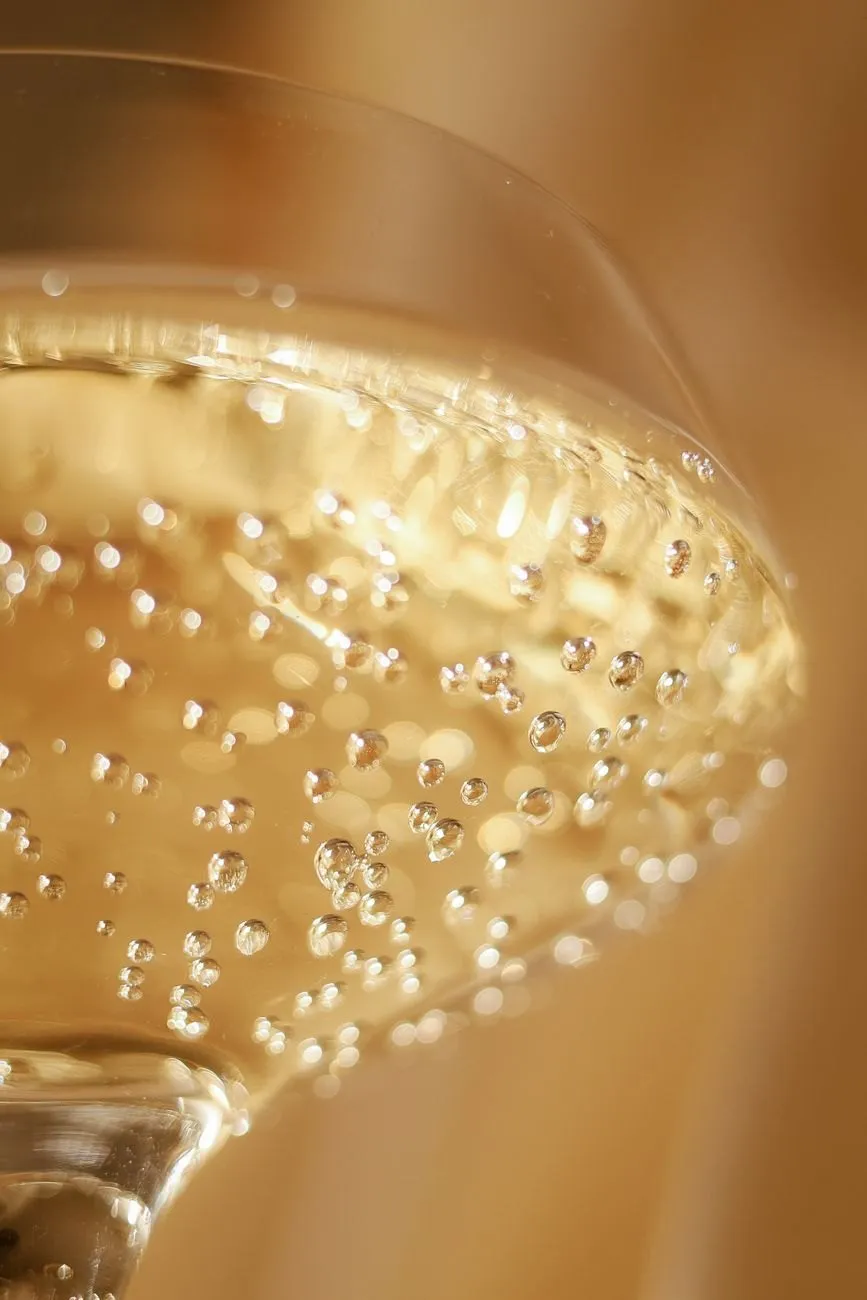
Classic Cuvée NV
£34
Sparkling · 11.5% · In stock
Green apple, Brioche, Lemon zest, Chalk
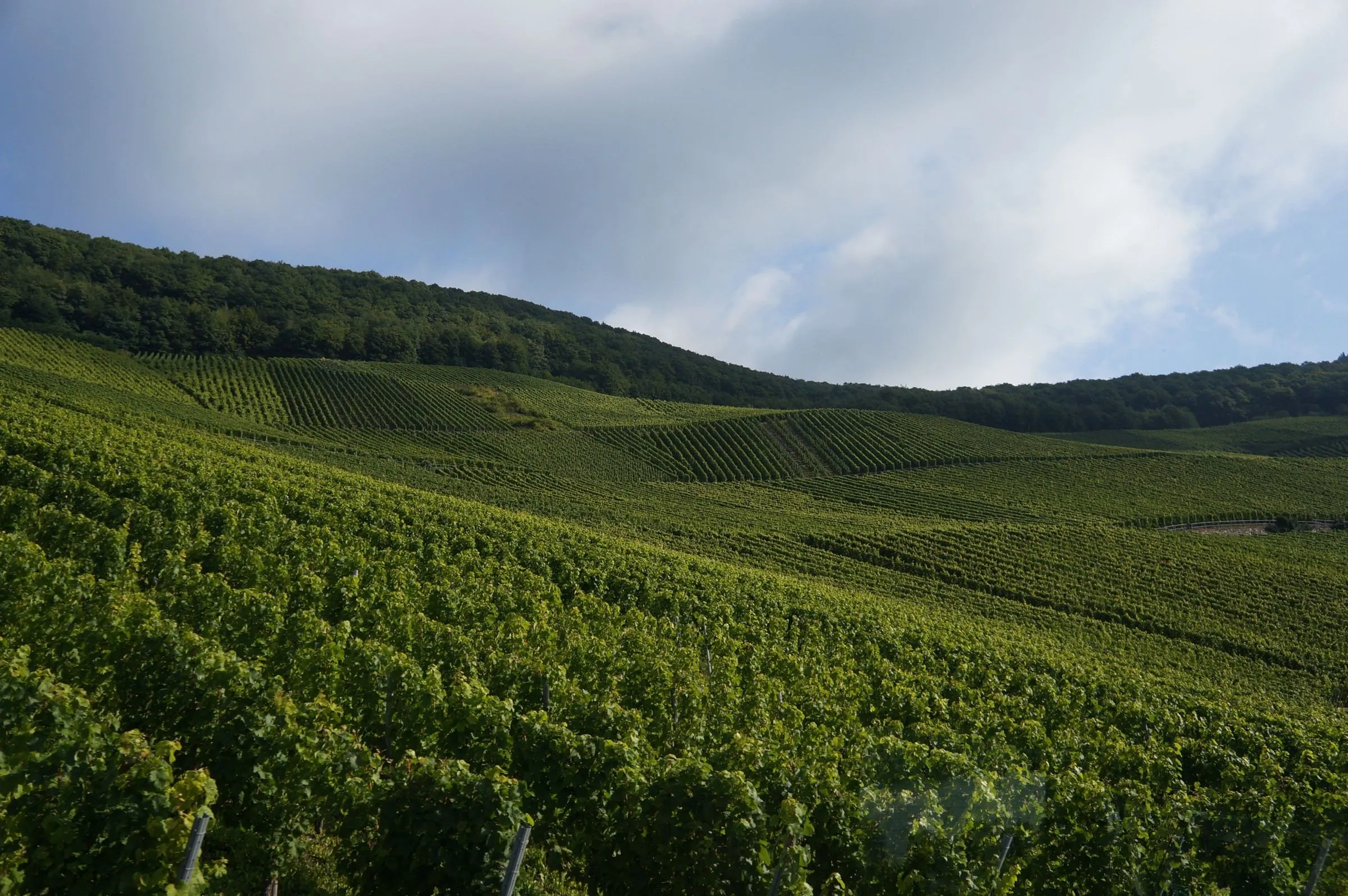
Grown on chalk in the Ledbourne Vale since 1979
Marledon is a 16-hectare family estate making 38,000 bottles a year. Taste them at the cellar door, walk the slope they come from, or have a case at your door tomorrow.
This week at the cellar door
Tasting fee back
Buy six bottles on the day and your tasting fee comes off the bill.
Next-day delivery
Order by 1pm Monday to Thursday; free on 12 bottles or more.
Corked? We replace it
Any faulty bottle, any vintage, replaced or refunded. Just send a photo.
The wines
Three sparkling, two whites, two reds and a rosé. Every bottle is grown, made and bottled on the estate.
£34
Sparkling · 11.5% · In stock
Green apple, Brioche, Lemon zest, Chalk
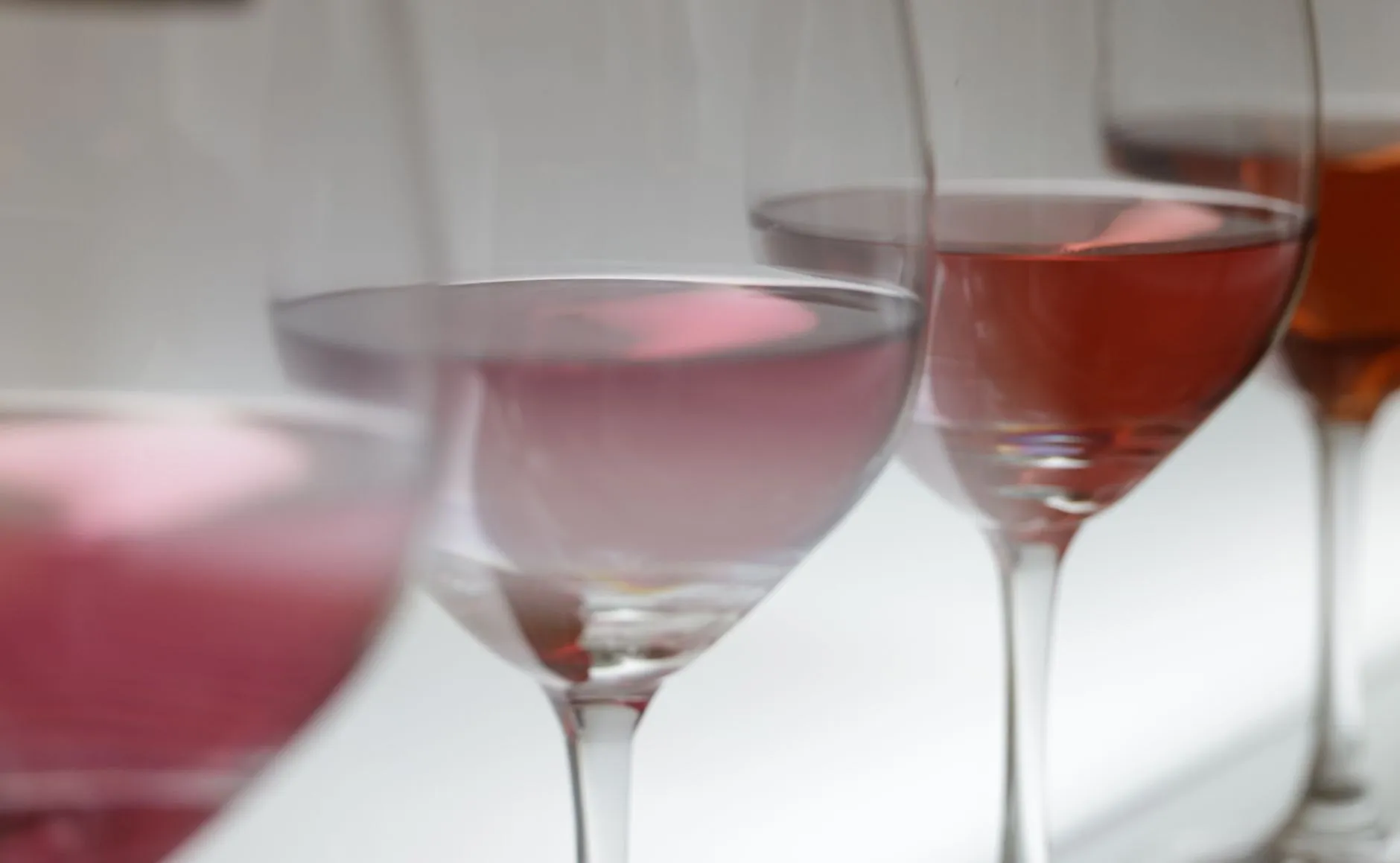
£38
Sparkling · 11.5% · In stock
Wild strawberry, Redcurrant, Pink grapefruit
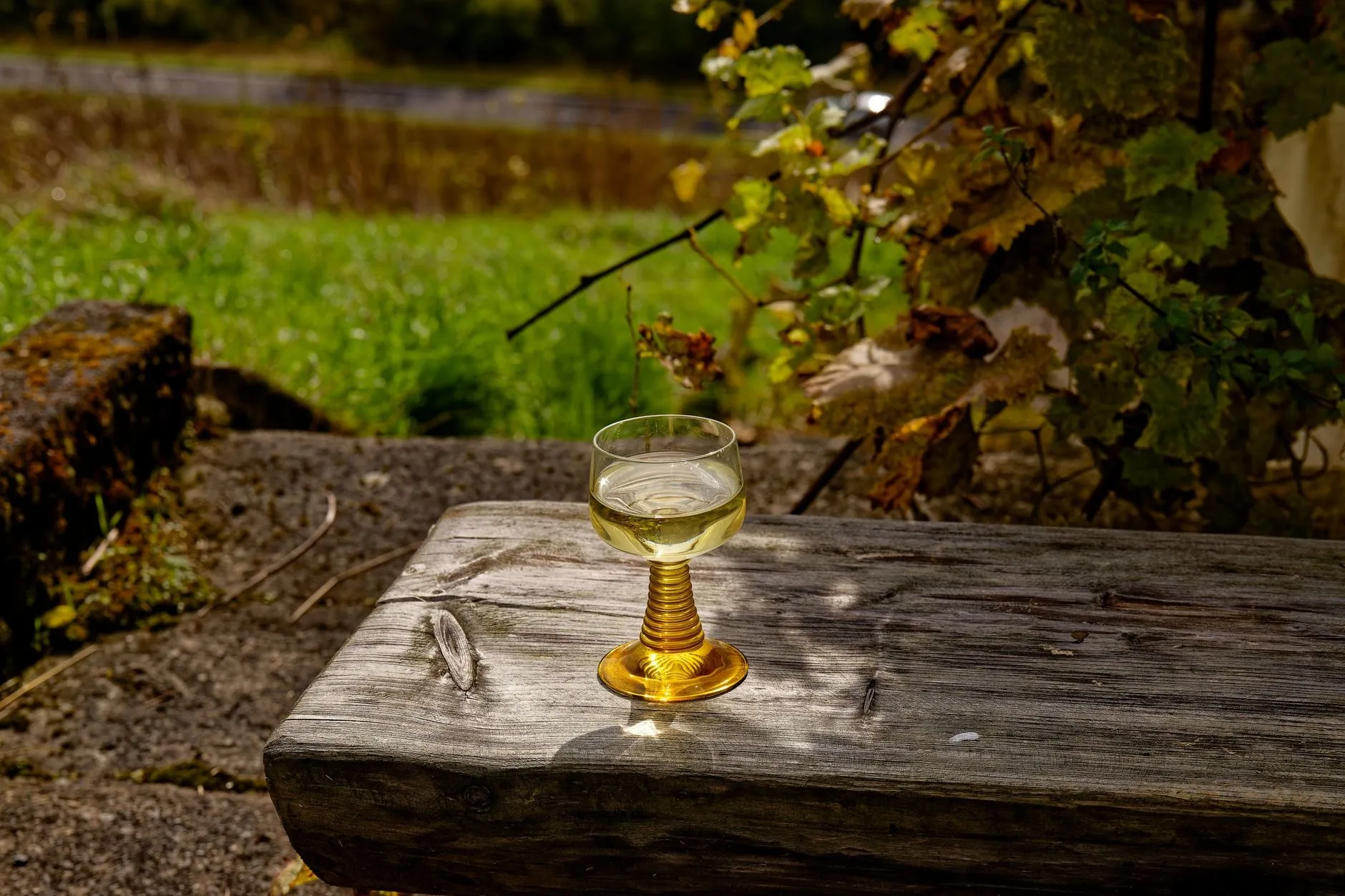
£19
White · 11% · In stock
Elderflower, Grapefruit, Cut grass
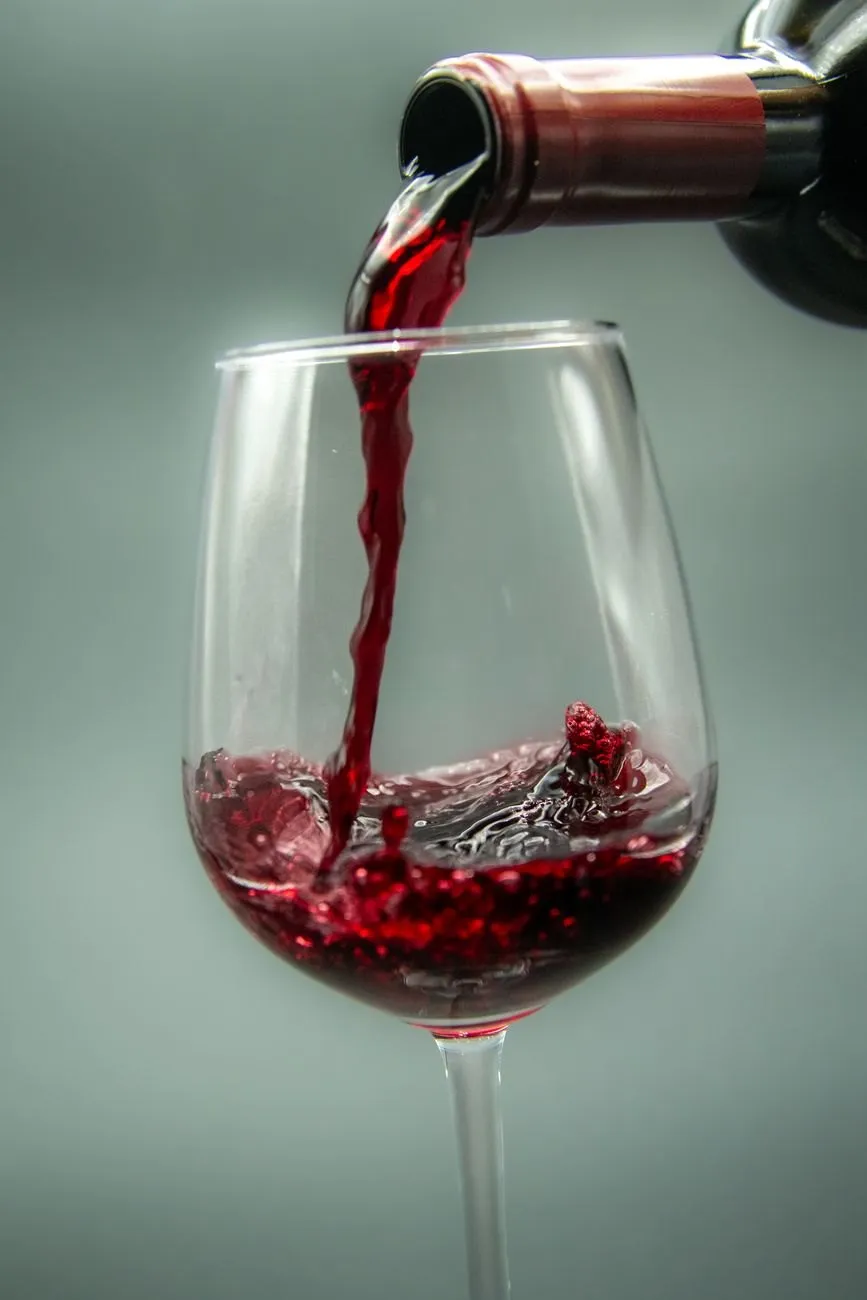
£29
Red · 12.5% · In stock
Red cherry, Cranberry, Forest floor
The estate
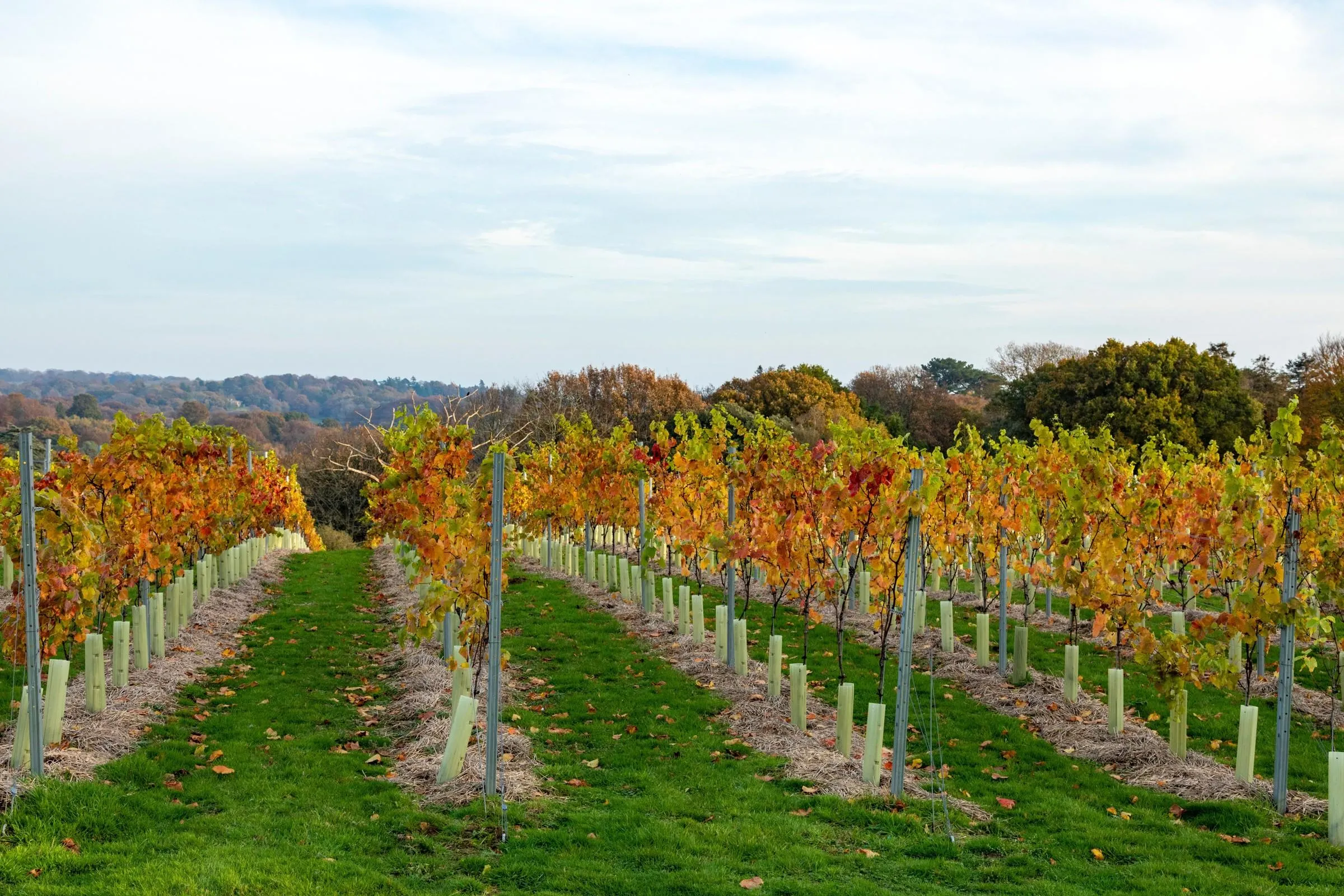
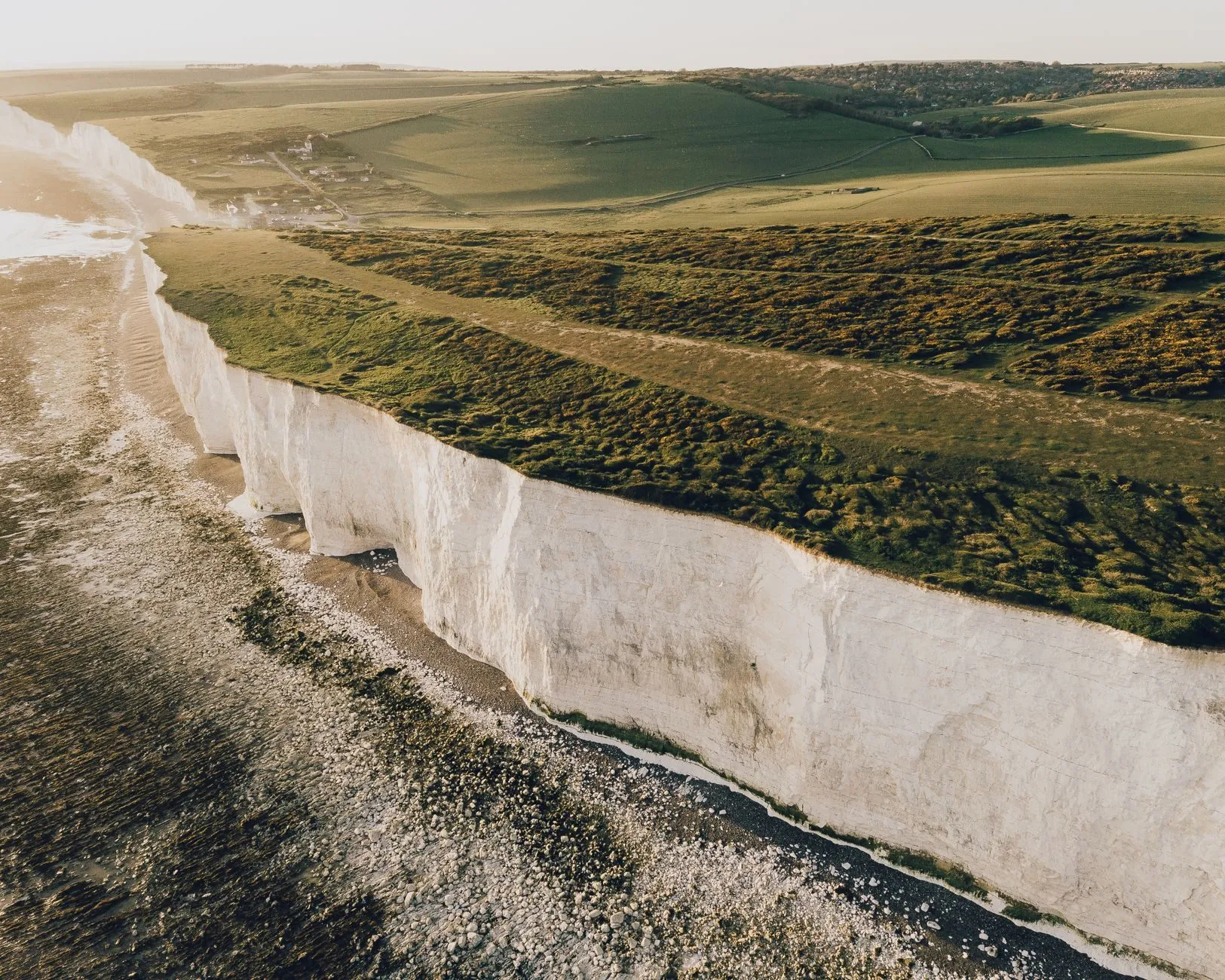
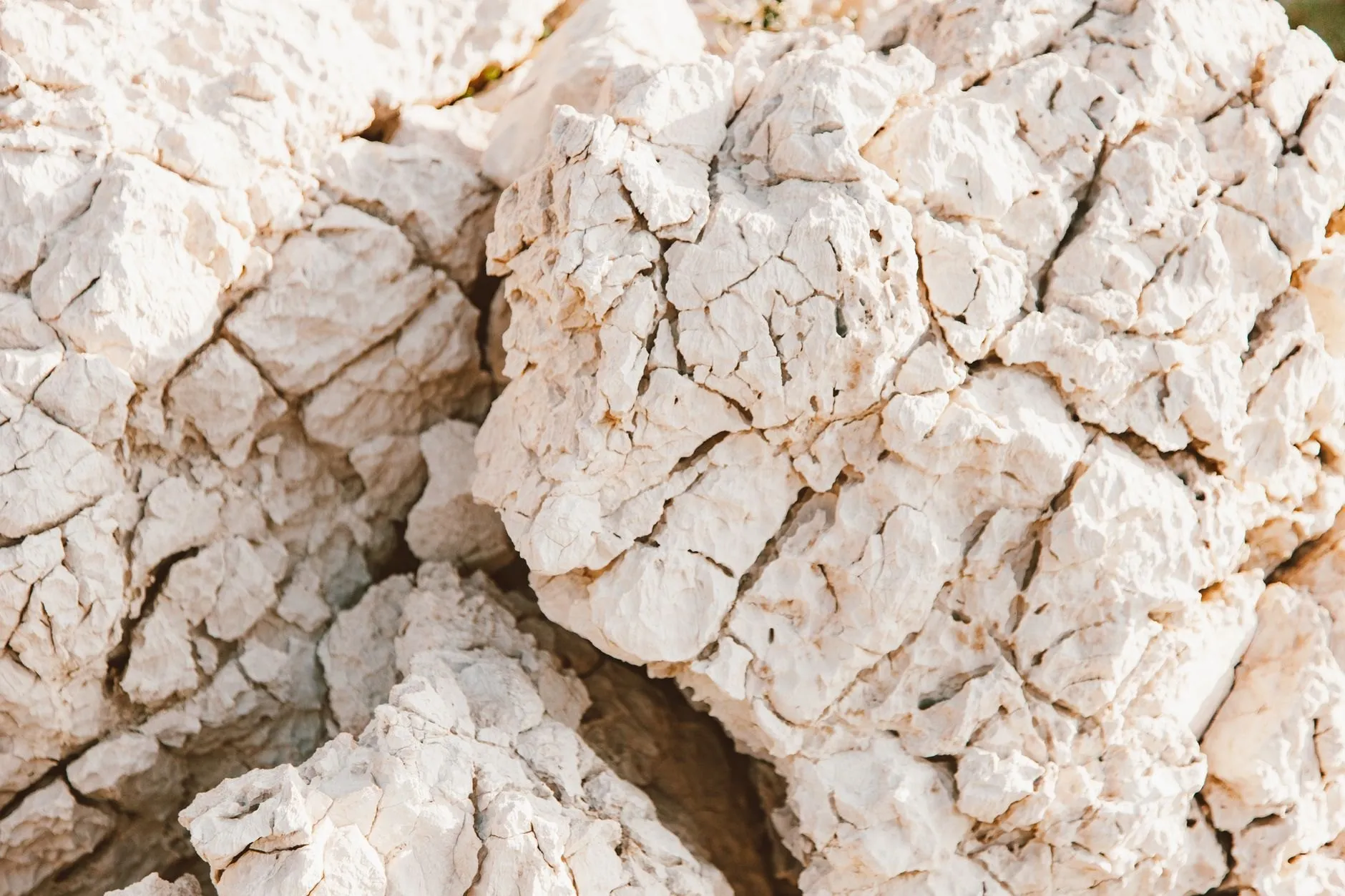
The seam that runs under Champagne comes up again here, half a metre under our vines. It drains in a wet summer, holds water in a dry one and keeps the grapes cool enough to stay fresh.
A year on the slope
Every job that matters is done by hand, by the same small team, on the estate.
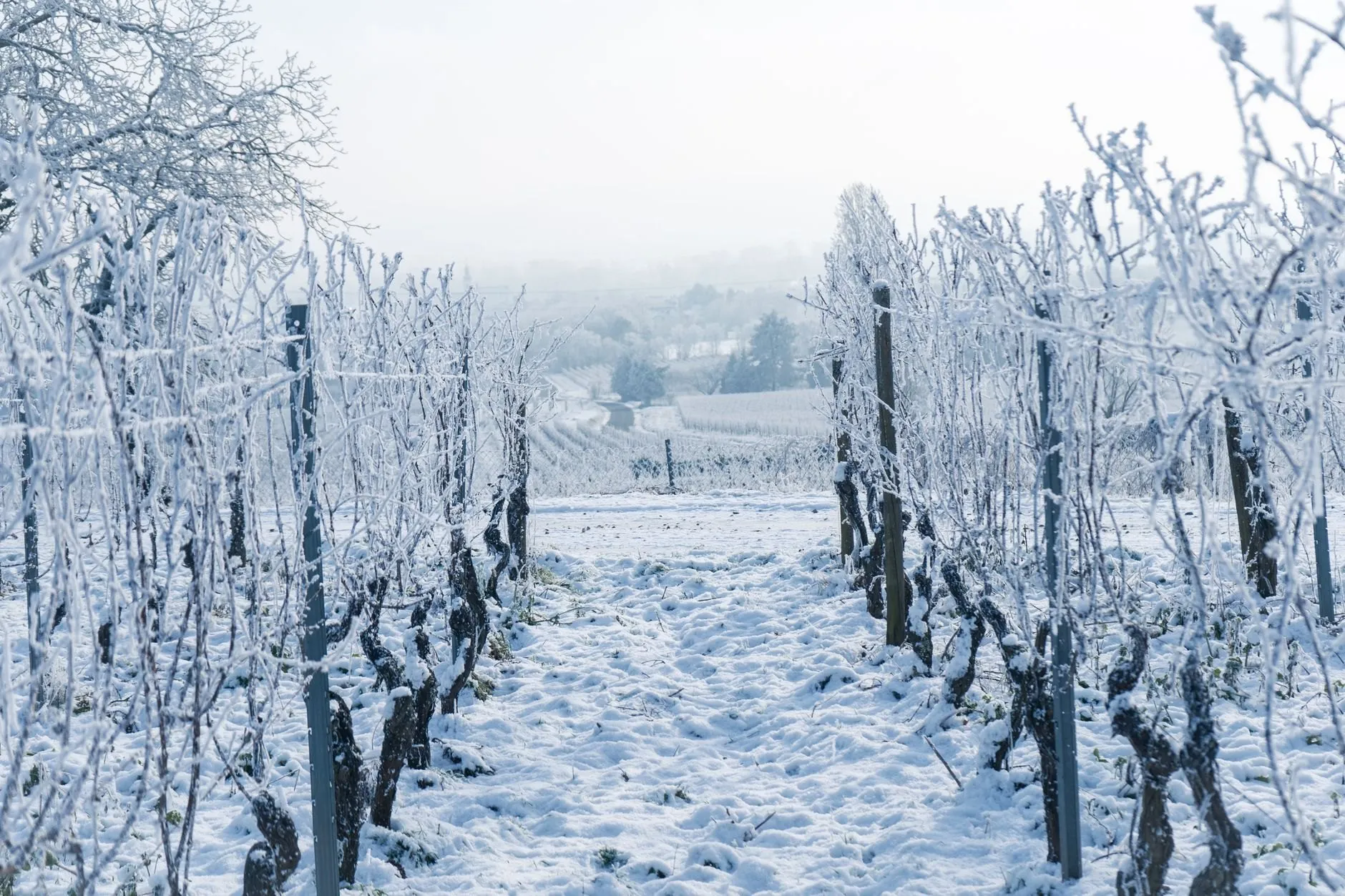
Pruned in January
Every vine cut back by hand to two canes. The cellar door closes for the month while we do it.
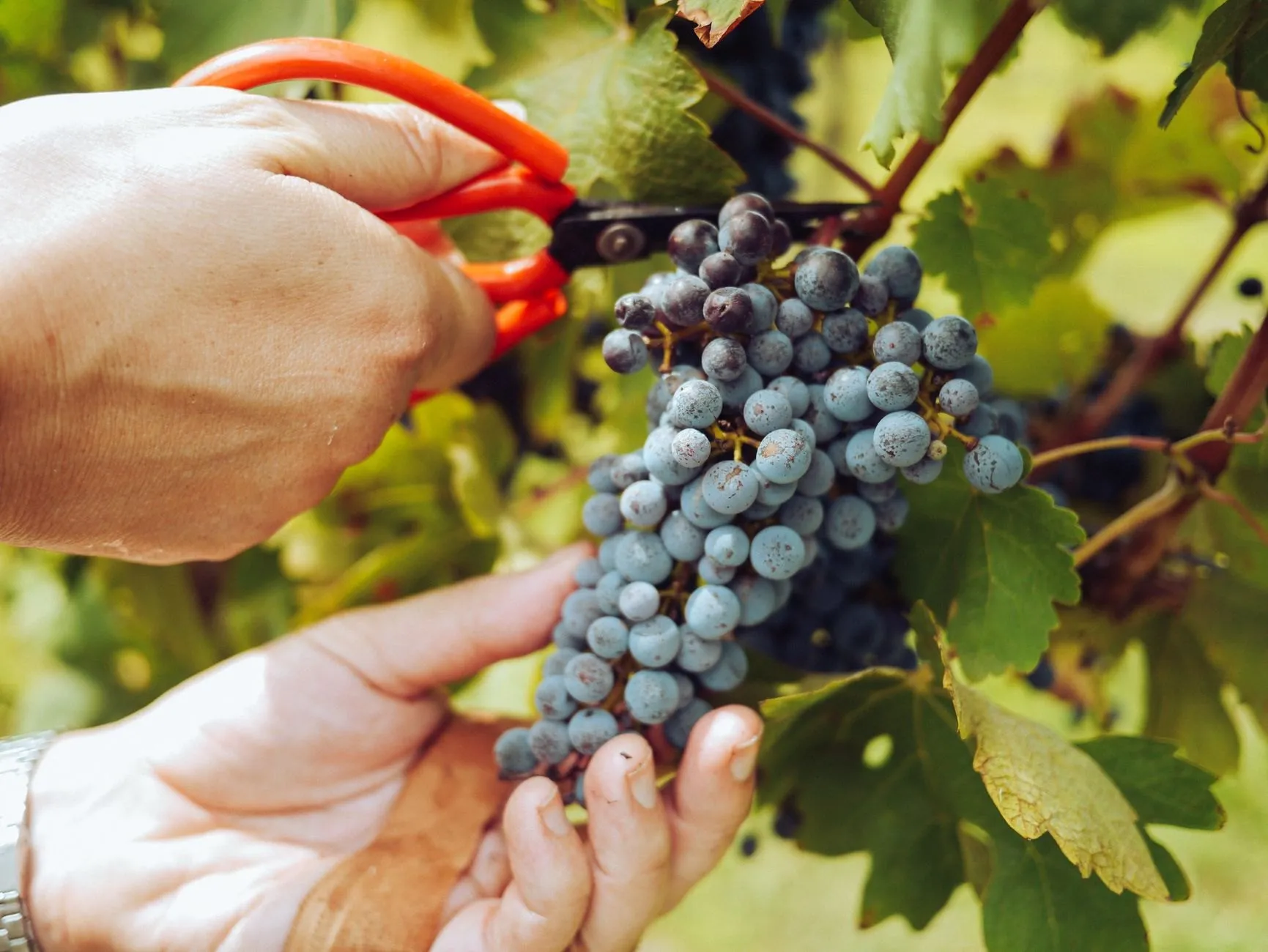
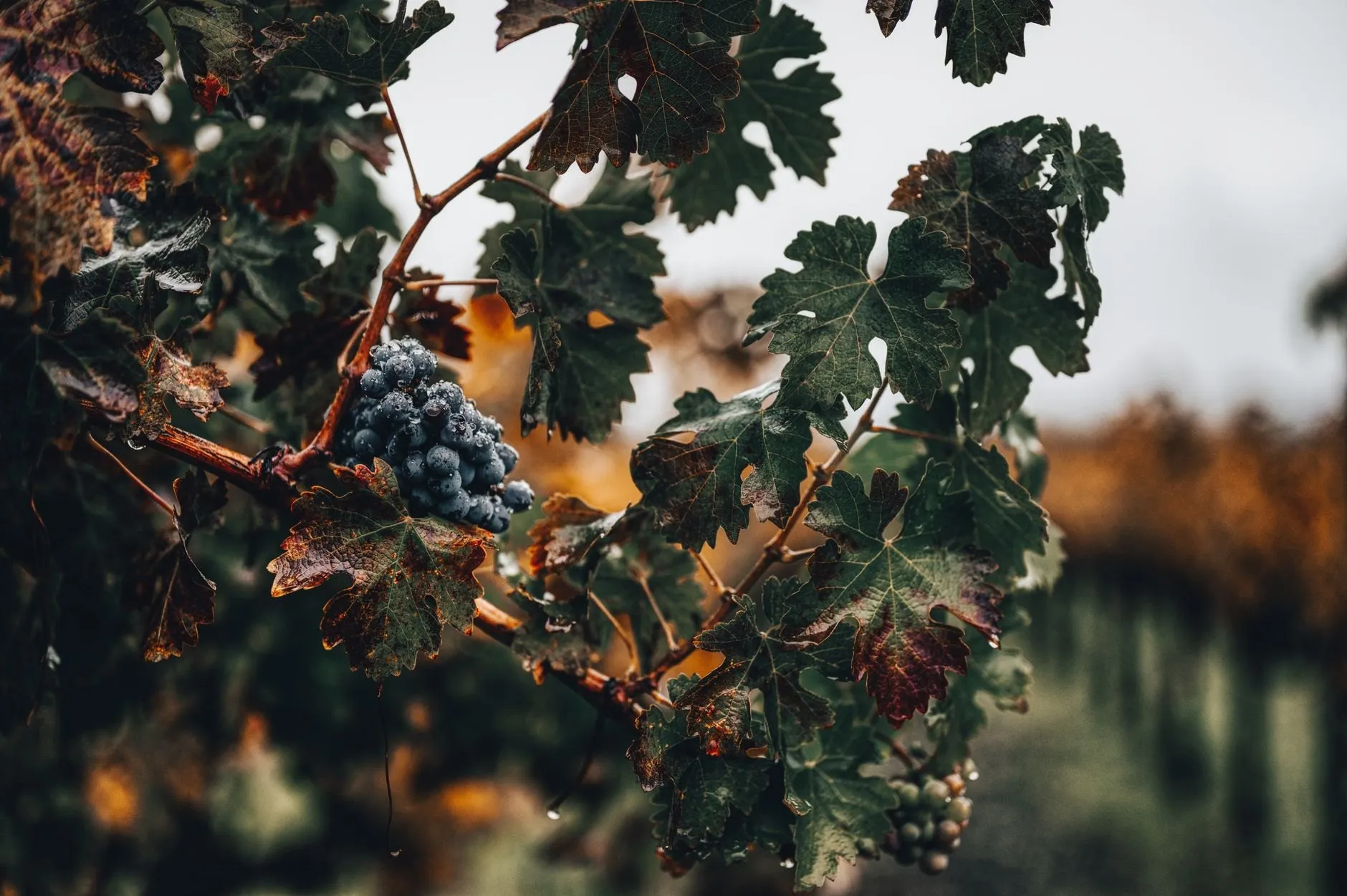
Picked in October
Twenty-five pickers, two weeks, every bunch cut into small crates so the fruit arrives whole.
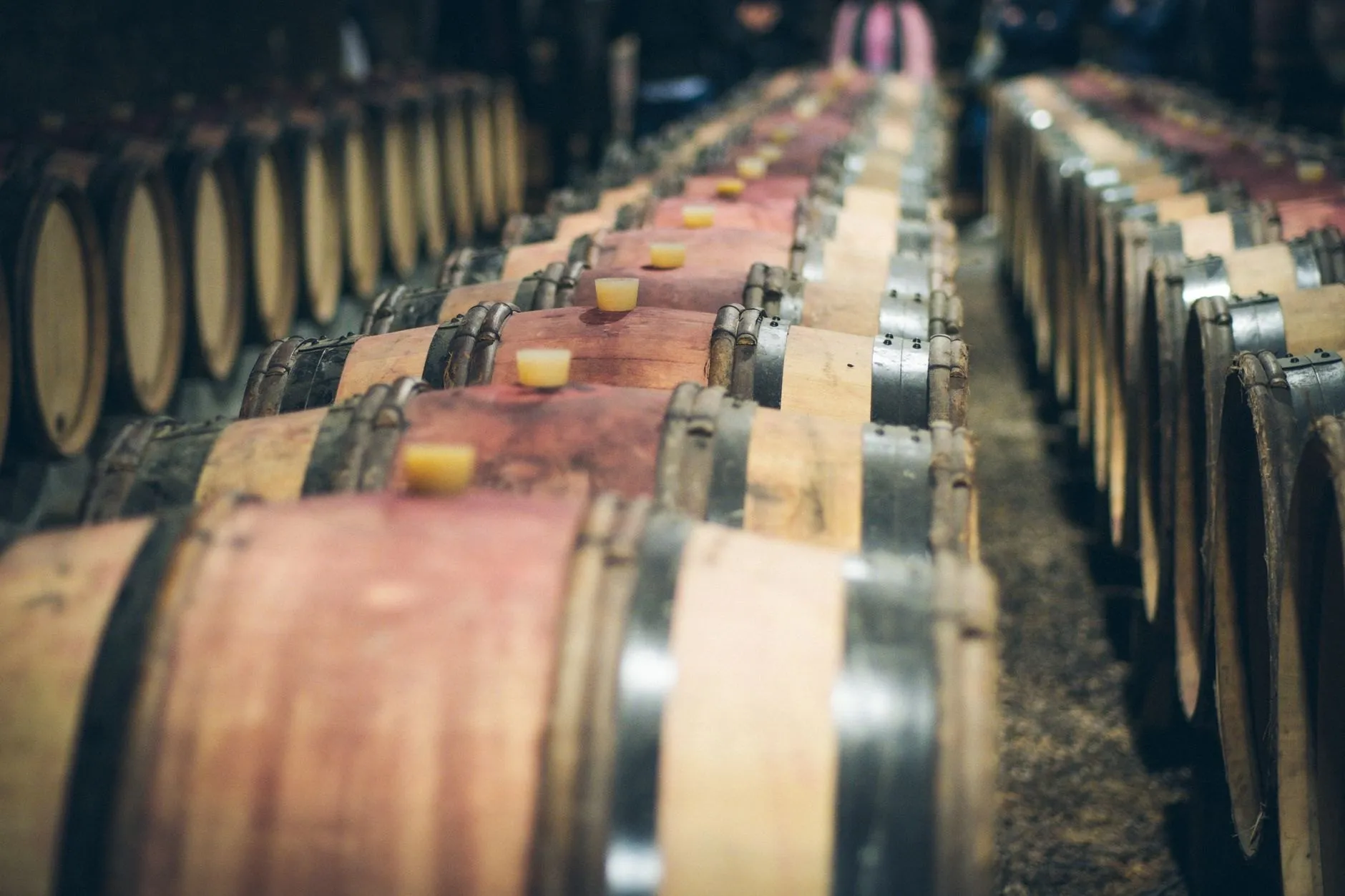
Pressed and fermented
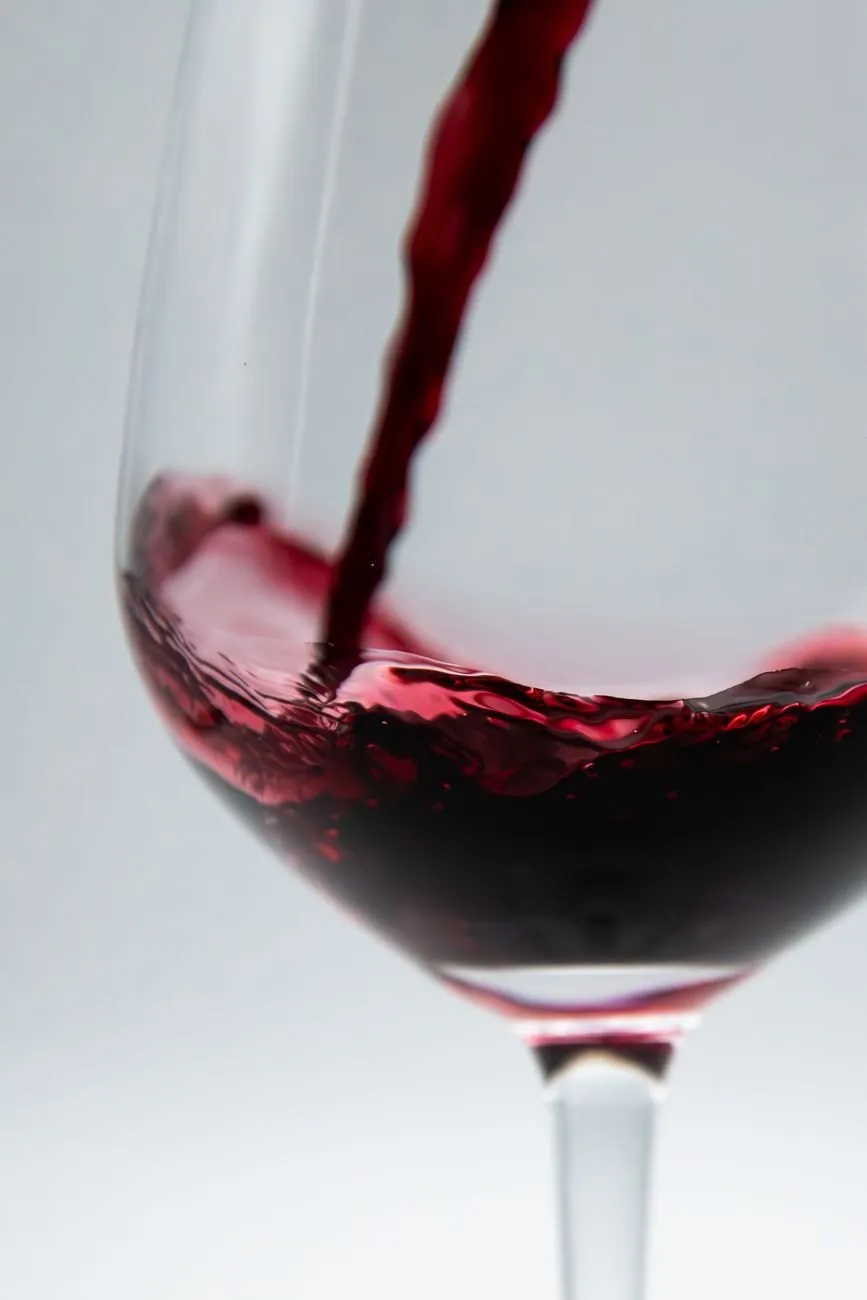
Whole-bunch pressing within an hour of picking, then a slow, cool ferment in steel and old oak.
Rested, then poured
Sparkling wines rest on their lees for three to five years before we riddle, disgorge and release them.
Tastings & tours
Choose a tasting, a tour or the long-table lunch, see which days are free, and send the request. We confirm by email within one working day.
Groups of more than 16, private tastings and corporate days are arranged separately. Ask about a group
Date
Time
Guests
Cellar-door tasting · Sunday 4 October, 11:30 · 2 guests
£18 per person · club members pay £14.40
Total £36
Request this bookingWe confirm every request by email within one working day. Nothing is charged until then; cancel free up to 48 hours before.
Wine club
Three case sizes, shipped in March, June, September and December. Swap any wine before it ships, pause any quarter, leave whenever you like.
| Cellar Door Three bottles: a sparkling, a white and a red. | Most chosen Estate Our most popular case. Half sparkling, half still. | Reserve Includes one library or magnum bottle every quarter. | |
|---|---|---|---|
| Bottles each quarter | 3 | 6 | 12 |
| Price each quarter | £72 | £138 | £264 |
| Works out per bottle | £24 | £23 | £22 |
| Off the shop, tours and lunches | 10% | 15% | 20% |
| Cellar-door tastings | Free for you | Free for you and a guest | Free for you and three guests |
| Delivery | £7.95 per quarter | Free | Free, with a named delivery day |
| First pick of library releases | – | Yes | Yes |
| Harvest weekend for two | – | – | Yes |
| Join Cellar Door | Join Estate | Join Reserve |
Visitors
“We came for the hour-long tasting and stayed three. The Classic Cuvée is better than the Champagne we brought to our wedding, at half the price.”
“Walking the 1979 block with the person who prunes it every winter is a different thing from reading a label. We joined the club in the car park.”
“Lunch at a long table between the rows, a glass of each wine with each course. The Bacchus with the crab tart is the best thing I ate all summer.”
Journal
The estate · 14 May 2026 · 4 min read
The same seam of chalk runs from the Champagne region under the Channel to the Ledbourne Vale. Here is what it does for the wine in your glass.
At the table · 2 March 2026 · 3 min read
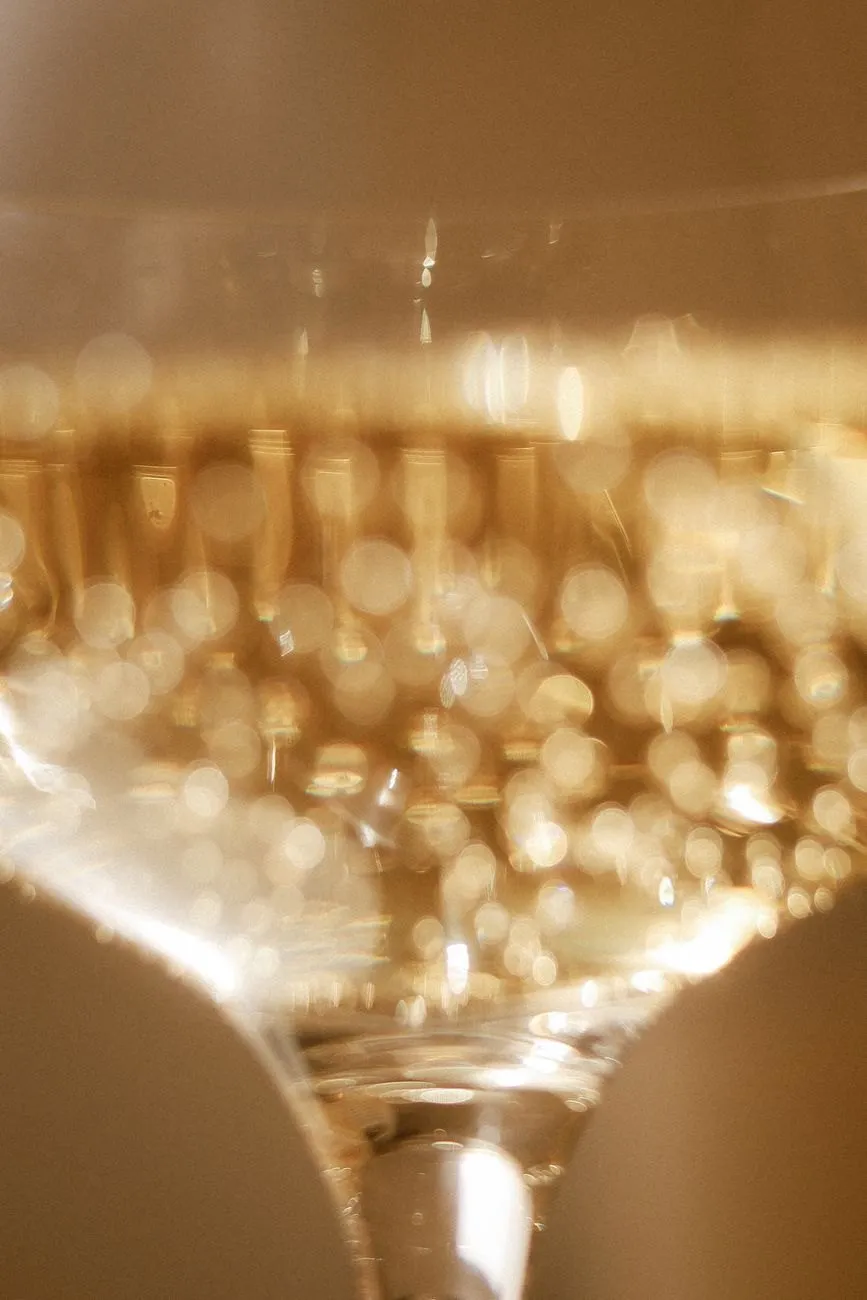
A sigh, not a pop. The temperature, the glass and the grip that keep every bubble we spent three years putting in the bottle.
Questions
Tastings from £18, tours from £35, and the fee back when you take six bottles home.